
Enamel Microabrasion
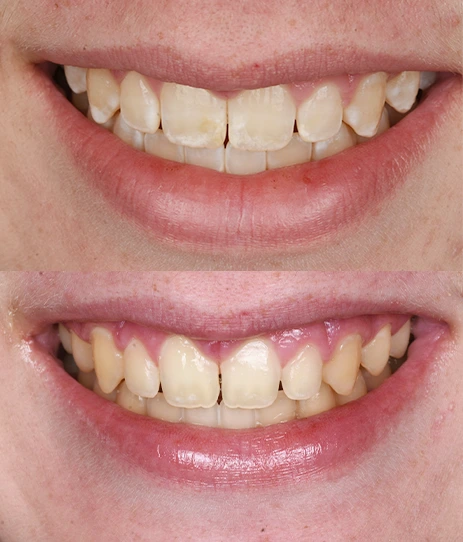
*Results may vary based on enamel condition, lesion depth, and individual treatment needs.
Enamel Microabrasion
White spots on teeth are common. Sometimes they’re a cosmetic concern. Others cause sensitivity to hot and cold. More often than not, it’s simply something you don’t want to see in the mirror every time you smile. The good news is, there’s a treatment that can address these spots.
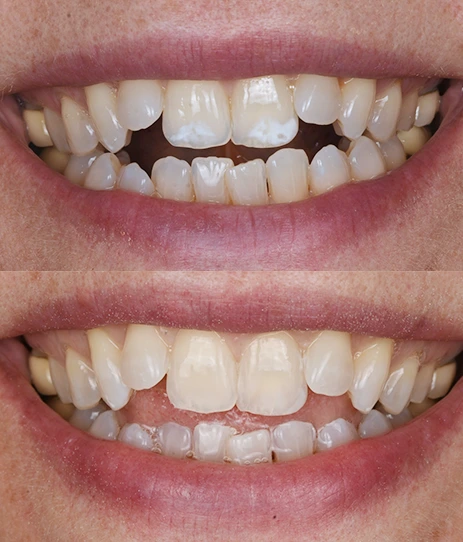
Enamel microabrasion is a minimally invasive way to reduce the appearance of these spots and create an even enamel surface. By carefully removing the affected enamel layer and supporting remineralisation with calcium, we aim to help your teeth blend with the rest of your teeth.
At Polished Oral Health Studio, every enamel microabrasion treatment begins with a thorough assessment. White spots can look similar, but their causes and depth vary. Understanding what’s happening beneath the surface allows us to recommend the most appropriate approach for your teeth.
What is enamel microabrasion?
Enamel microabrasion (EMA) is a non-invasive treatment for white spot lesions (chalky patches that can appear on tooth enamel for various reasons). This may be due to mild childhood fluorosis from environmental exposure, or to uneven enamel formation during tooth development.
Rather than covering the spots with composite bonding or porcelain veneers, EMA abrades the weakened enamel and infuses calcium into those areas to regenerate and strengthen the surface. Think of it as resurfacing your enamel to create a cleaner, more even appearance and strengthening your enamel at the same time.
Enamel microabrasion treatment can address
- White spots from orthodontic treatment
- Mild fluorosis staining
- Surface enamel irregularities
- Sensitivity caused by enamel defects
How enamel microabrasion works - our treatment plan
Enamel microabrasion is not a one-step treatment. It is part of a structured process designed to support enamel health before, during, and after treatment.
Your customised plan may include:
- Hygiene treatment: We start with a clean slate, ensuring your gums are healthy before we address your enamel.
- In-chair teeth whitening: We lighten your teeth to open the enamel tubules, allowing for more efficient absorption of calcium minerals.
- Take-home calcium mousse: Use this in custom trays or your orthodontic retainers to help remineralise your enamel and promote strength between sessions.
- Multiple EMA sessions: Depending on the depth of your spots, you may need more than one treatment.
- Composite bonding (if needed): If your enamel defect is too deep, we'll discuss composite bonding as an alternative or complement to microabrasion.
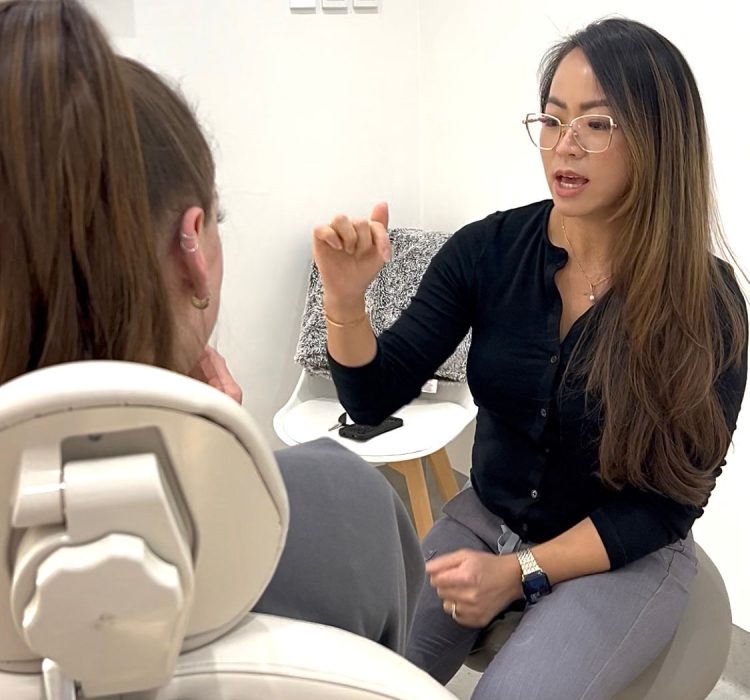
What happens at your enamel microabrasion consultation?
We start with a proper look at what’s going on with your enamel.
During your visit, we will:
- Take detailed clinical photographs so you can clearly see what we’re assessing
- Discuss what outcomes may be achievable for your specific enamel condition
- Explain the treatment process and the number of sessions that may be involved
- Provide a precise, upfront quote with no unexpected costs
Before & After
How we approach your care
Every case is different, so we create a treatment plan based on your teeth’s specific needs. At Polished Oral Health Studio, your health comes first. At Polished Oral Health Studio, your care is guided by AHPRA-registered dental professionals who prioritise preventative and minimally invasive dentistry.
When it comes to enamel microabrasion, that approach means:
We assess before we act
We keep it real
We think ahead
Enamel microabrasion often works best as part of a sequence, which may include whitening, calcium therapy, review appointments, and, in some cases, composite bonding. We map this out clearly so you feel supported throughout the process.
Ready to see what’s possible?
If white spots have been bugging you and you’re curious whether enamel microabrasion could help, let’s have a conversation. If you’re interested, book a complimentary consultation with us today. We’ll assess your enamel, explain what’s realistic, and help you decide whether this treatment is right for you.